The Yarbrough National Genealogical & Historical Association Inc.
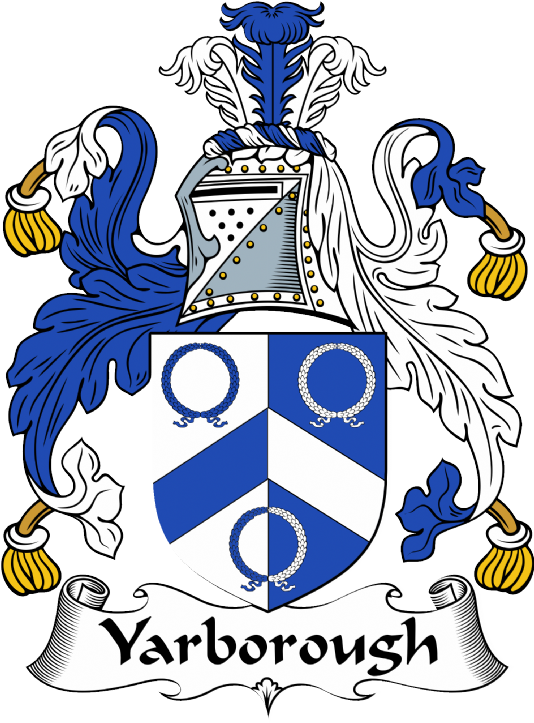
- Genealogy Research Guide
Genealogy Tips & Research Methods
Historical research principles, family naming traditions, census techniques, and practical strategies for uncovering accurate ancestral history.
- Research Foundations
Understanding The Challenges Of Genealogy
Genealogical research is a careful balance of evidence, documentation, oral tradition, and historical interpretation. Names change, records conflict, stories evolve, and official documents often contain mistakes.
Successful family historians learn to examine every source critically, compare multiple records, and verify historical claims before accepting them as fact.
Patience, persistence, and attention to detail remain the foundation of accurate genealogical research.
- Research Principles
Essential Rules Of Genealogical Research
Never Trust Spellings
Historical surnames frequently changed because census takers and family members were often illiterate or semi-literate.
Verify Every Record
Never assume genealogical records are accurate without personally examining the evidence and original documentation whenever possible.
Dates Can Conflict
Official records often contain contradictory dates caused by delayed reporting, memory errors, or inaccurate recordkeeping practices.
Oral History Evolves
Family stories may preserve truth, but repeated retelling often distorts names, relationships, locations, and historical details.
Census Records Mislead
A child appearing in a household census does not automatically indicate biological or legal family relationships.
Persistence Matters
Successful genealogy requires patience, diligence, repeated investigation, and careful analysis across multiple independent historical sources.
- Family Traditions
Myths vs Historical Evidence
Family records sometimes include “wishful thinking” regarding ancestral relationships, social status, migration stories, and family achievements. Much of early history survived through oral storytelling, allowing facts to become altered over generations.
A family myth may contain a genuine historical foundation, but it remains a myth until supported through reliable documentation and evidence.
Researchers should remember:
“Conjecture may suggest inquiry, but conjecture alone is never proof.”
Historical conclusions should always be supported by multiple independent records whenever possible.
- Research Strategies
Practical Tips For Family Historians
Richard “The Immigrant” Yarb(o)rough likely arrived in colonial America during the 1600s. Descendants later spread from Virginia through the Carolinas, Georgia, Texas, and westward to California, Oregon, and Washington.
Research Connections
Examine allied families, marriage records, and shared household histories to uncover missing ancestral information and hidden relationships.
Verify & Organize Evidence
Read documents carefully, compare multiple sources, and build timelines to identify contradictions and confirm historical accuracy.
Persistence & Collaboration
Successful genealogy depends upon patience, continued research, and sharing records, stories, and discoveries with other researchers.
- Historical Census Records
Understanding Household Records
Census records are valuable genealogical tools, but they must be interpreted carefully.
The presence of a child within a household does not necessarily prove that the child belonged to that family. In earlier centuries, children were sometimes temporarily raised, apprenticed, or “loaned” to other households for work or financial arrangements.
As a result, census records often reflect living arrangements rather than direct biological relationships.
Researchers should therefore compare census data with birth records, wills, probate files, church records, and land documents whenever possible.
- Naming Traditions
Traditional Family Naming Conventions
Historically, many families followed customary naming patterns when naming children. These traditions can provide useful clues when tracing grandparents, uncles, aunts, and earlier generations.
Sons Naming Pattern
- First Son : Named after the paternal grandfather.
- Second Son : Named after the maternal grandfather.
- Third Son : Named after the father.
- Fourth Son : Named after the oldest paternal uncle.
Daughters Naming Pattern
- First Daughter : Named after the maternal grandmother.
- Second Daughter : Named after the paternal grandmother.
- Third Daughter : Named after the mother.
- Fourth Daughter : Named after the oldest maternal aunt.
- Family Relationships
Understanding Cousin Relationships
Genealogical relationship terms describe generational separation within a shared family tree.
A first cousin belongs to the same generation as the individual. The child of a first cousin becomes “once removed,” representing one generation of separation.
These relationship systems help researchers organize extended family structures and understand how individuals connect across multiple generations.
- Research Tools
The Soundex System
The Soundex System was developed to help researchers locate surnames despite inconsistent spelling variations.
Rather than indexing names by exact spelling, Soundex groups names according to similar pronunciation patterns. Each surname receives a letter followed by three numerical digits representing consonant sounds.
For example:
Yarbrough = Y616
In some census schedules, the surname may also appear under alternate codes such as Y610 due to recording variations.
The Soundex system became especially valuable for researching families whose surnames frequently changed across official records.
- Historical Records
What Census Records Reveal
Federal census schedules contain some of the richest genealogical information available to researchers. Depending upon the census year, records may include:
- Full household names
- Birth months and years
- Immigration details
- Citizenship status
- Occupations
- Literacy information
- Marriage duration
- Number of children born and living
- Home ownership
- Addresses and property descriptions
The 1900 Federal Census remains especially valuable because it recorded detailed birth information, immigration years, and family household statistics more comprehensively than many earlier schedules.
- Modern Genealogy
Understanding DNA Research
DNA testing can identify individuals who share genetic connections and common ancestry. However, DNA alone cannot fully establish the exact nature of family relationships.
Traditional genealogical research, historical records, timelines, and documented evidence must still be combined with DNA results to build reliable family histories.
Modern genealogy works best when science and historical documentation are used together.
A Little Truth Behind Every Researcher
“I used to have a life; then I started doing genealogy.”
— Anonymous
“Why waste your time looking up your family tree? Just go into politics, and your opponents will do it for you.”
— Samuel Clemens
- Common Questions
Frequently Asked Questions
Why are surname spellings unreliable in genealogy?
Historical illiteracy and phonetic spelling caused surnames to appear differently across many official records.
Can census records contain mistakes?
Yes. Census records frequently contain incorrect ages, names, relationships, and birth information.
What is the Soundex System?
Soundex is a phonetic indexing system designed to group similar sounding surnames together.
Should family stories always be trusted?
Family stories may preserve truth, but researchers should always verify claims through documented evidence.
Why are naming patterns important?
Traditional naming conventions often help researchers identify earlier generations and family relationships.
Can DNA testing prove exact relationships?
DNA testing identifies genetic connections but cannot independently define precise family relationships.
Why should genealogists compare multiple records?
Multiple records help confirm facts and resolve contradictions between historical documents.
What makes the 1900 Federal Census important?
It contains detailed birth information, immigration years, and extensive household data.
Why do genealogists create timelines?
Timelines help organize historical events and reveal inconsistencies between records.
What is the most important rule in genealogy?
Always verify conclusions using multiple independent sources before accepting them as historical fact.