The Yarbrough National Genealogical & Historical Association Inc.
- Name Origins
Origins Of The Name Yarbrough
A historical exploration of the Yarb(o)rough family name, tracing its roots through ancient England, Norse influence, Roman fortifications, and centuries of historical records across Lincolnshire and surrounding regions.
- Name Meaning
The Meaning Behind The Name
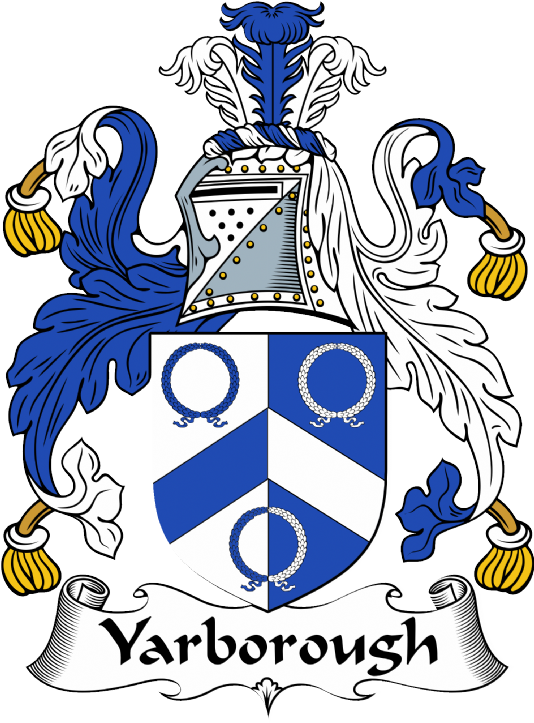
The Yarb(o)rough family name is believed to originate from the ancient terms “Jardborg” and “Eorpburg,” both associated with the meaning of an earthen fortification. The Old Norse interpretation also suggests the presence of a nearby river, connecting the name to early fortified settlements throughout eastern England.
Over time, the name evolved through Norse, Anglo-Saxon, and medieval English influences, eventually becoming associated with Yarborough Camp in Lincolnshire — one of the earliest known geographical connections to the family name.
Old Norse Origins
Connected to the term “Jardborg,” meaning an earthen fortification near a river.
Roman Influence
Historical links suggest connections to Roman-era earthwork settlements.
Medieval England
The name became established throughout Lincolnshire and surrounding regions.
Historic Evolution
Centuries of language and migration shaped the modern Yarb(o)rough surname.
- Historical Landmark
Yarborough Camp
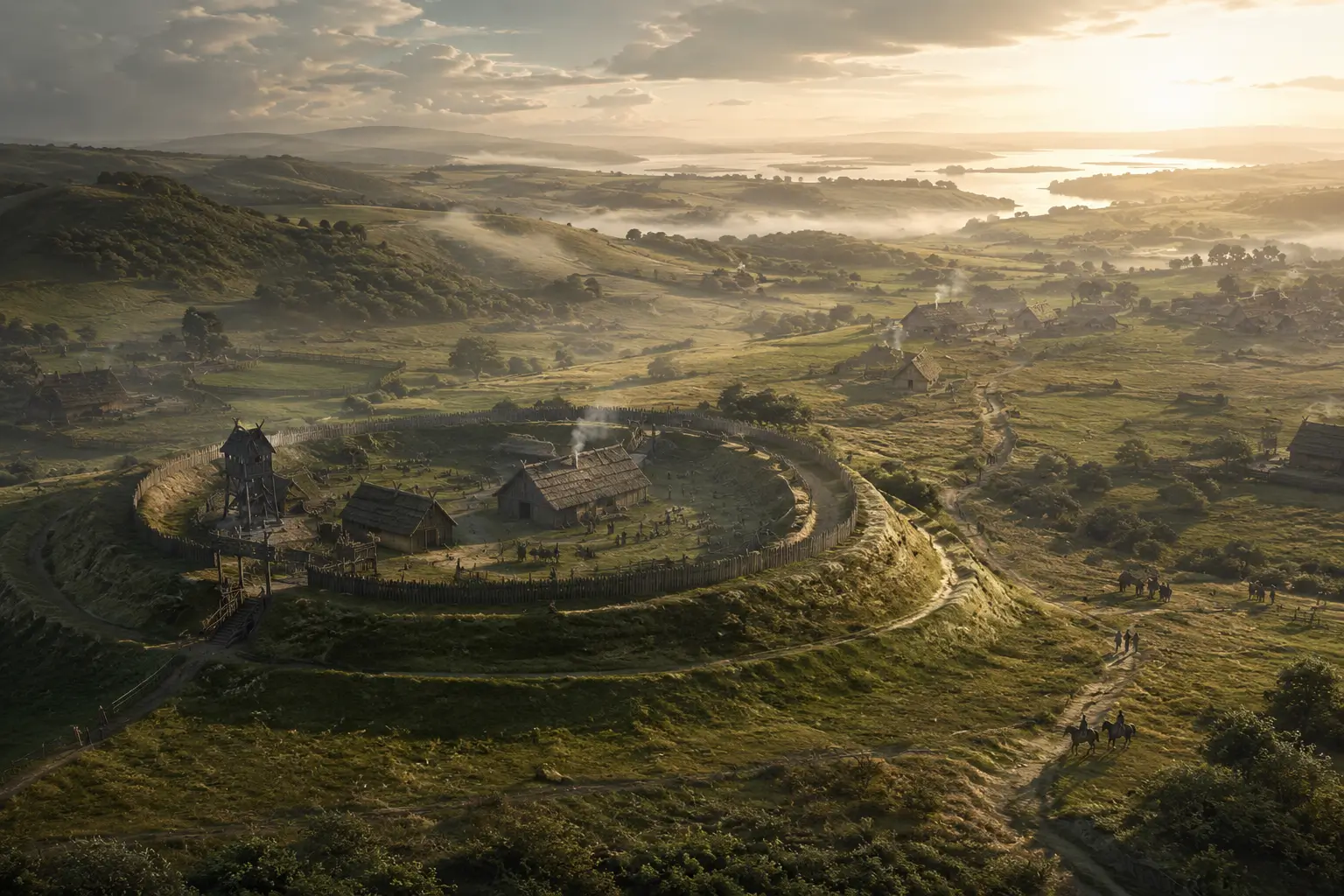
Located in the Lincolnshire Wolds near Croxton and Melton Ross, Yarborough Camp is an ancient earthwork fortification believed to be closely connected to the origin of the Yarb(o)rough name. The site stands atop gently rolling hills and once overlooked important historical trade and military routes.
Historical evidence suggests the fortification may have served both Roman and later Danish military purposes. Archaeological discoveries, including Roman coins found throughout the surrounding fields, indicate that the area once supported an active settlement connected to the nearby Humber region.
- Viking Heritage
The Viking & Anglo-Saxon Influence
During the early medieval period, Lincolnshire became heavily influenced by Norse and Danish Viking settlement throughout the region known as the Danelaw. Viking communities, Anglo-Saxon settlers, and later Norman influence all contributed to the cultural and historical landscape connected to the Yarb(o)rough name.
Researchers believe these overlapping Scandinavian and English influences played an important role in shaping both the language and identity associated with the family’s early origins.
- Historical Timeline
Through The Centuries
Germanic tribes including the Jutes, Angles, and Saxons began settling throughout early England.
Danish Vikings established influence across Lincolnshire and the Danelaw region.
The Norman Conquest reshaped England while preserving many Norse family connections.
Yarborough Camp and nearby settlements remained historically recognized throughout Lincolnshire.
The village of Yarburgh experienced a devastating fire, leaving St. John the Baptist Church among its oldest surviving structures.
Historical records and genealogical research continue preserving the legacy of the Yarb(o)rough name.
- Historic Parish
The Village Of Yarburgh
Yarburgh is a historic parish village located near the town of Louth in Lincolnshire, England. Although small in population, the village has maintained historical importance through parish records, church archives, and centuries of documented connections to the Yarborough name.
The parish church of St. John the Baptist, dating back to the 15th century, contains records connected to several Yarborough patrons and clergy members, preserving an important part of the family’s historical heritage.
- Archive Records
Preserved Through History
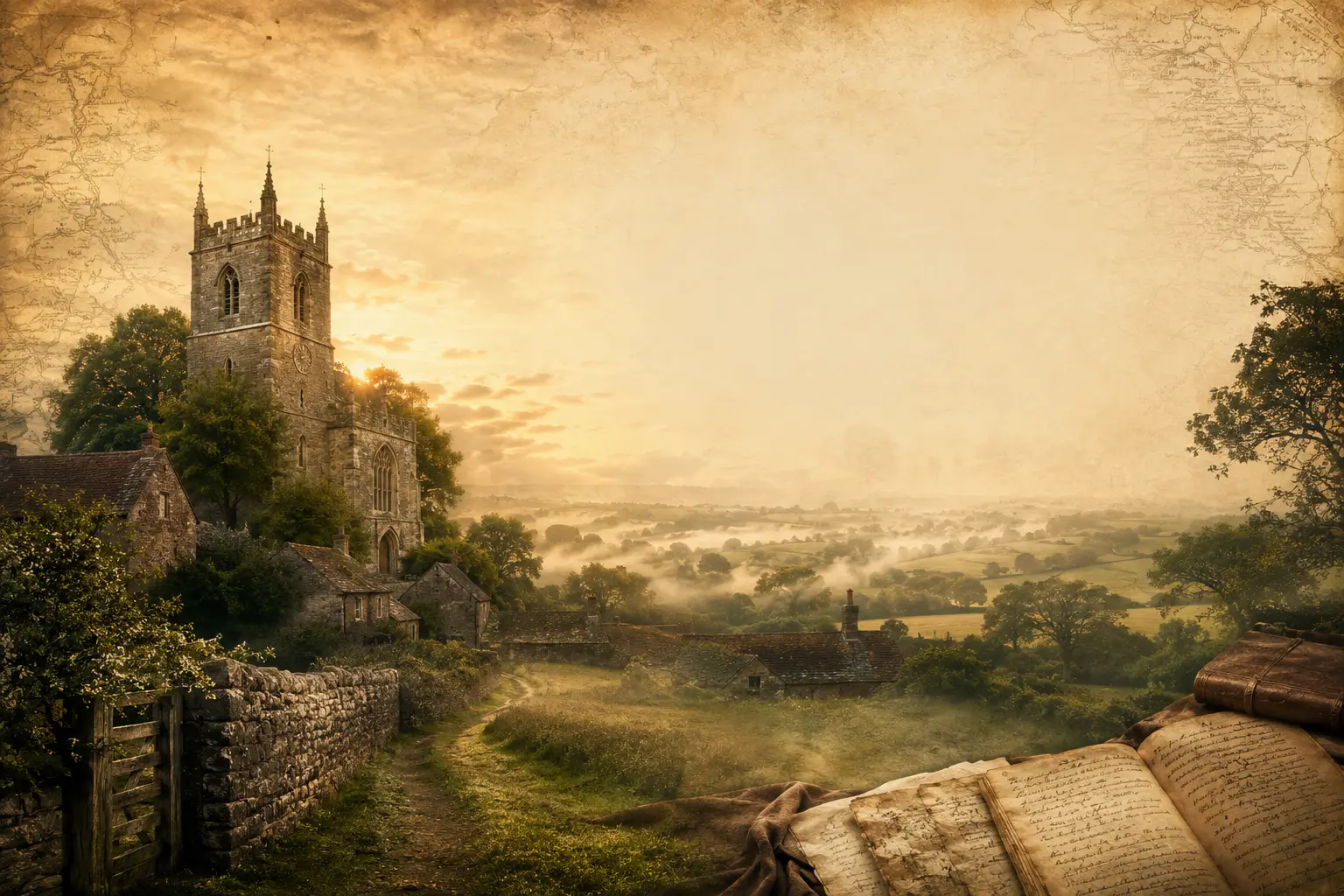
Historical documents and medieval records reveal the gradual evolution of the Yarb(o)rough name through different centuries and regions. Early references include spellings such as Gereburg, Ierburc, Jerdeburc, and Jardbury before eventually becoming Yarborough and later Yarbrough.
Maps, church records, legal documents, and parish archives continue to provide valuable insight into the family’s early historical presence throughout England.
Gereburg - Ierburc
The earliest recorded variations appeared in medieval England, shaped by Old English language and regional dialect influences.
Jerdeburc - Jardbury
Following Norman influence, spellings gradually evolved through handwritten records, church documents, and local pronunciation differences.
Yarborough
By later centuries, Yarborough became a recognized regional surname associated with Lincolnshire history, estates, and parish records.
Yarbrough
As families migrated to America, simplified spellings like Yarbrough became widely adopted across generations throughout the United States.